
📋 Quick Summary
- Why Choosing the Right Granite Countertop Repair Company Matters
- What Should Homeowners Expect From a Professional Granite Repair Service?
- How to Identify a Qualified Granite Countertop Crack Repair Company
- Questions to Ask Before Hiring a Granite Countertop Repair Service
- Warning Signs of a Poor-Quality Granite Crack Repair Service
- What Types of Granite Damage Can Professional Repair Services Address?
- Why Granite Countertops Crack in Philadelphia Homes
- How a Professional Granite Countertop Repair Service Evaluates Damage
- What Happens During Professional Granite Countertop Crack Repair?
- How Much Should Quality Matter When Choosing a Granite Repair Company?
- Should You Repair or Replace a Cracked Granite Countertop?
- How Homeowners Can Prepare for Granite Countertop Repair
- How to Protect Your Granite Countertop After Professional Repair
- Why Choose Tri-State Countertop Repair?
- Granite Countertop Repair Service Areas
- Other Professional Countertop Services We Provide
- Contact Tri-State Countertop Repair for Professional Granite Crack Repair
Finding a crack in a granite countertop can create uncertainty for any homeowner. The damage may be small, but important questions quickly follow. Is the countertop still safe to use? Will the crack continue to grow? Can the stone be repaired without replacement? How do you find a qualified company that understands natural stone restoration rather than simply filling the visible opening?
Choosing the right countertop repair professional matters because granite crack repair can involve more than cosmetic improvement. A successful restoration may require careful evaluation of the stone, identification of countertop movement, surface preparation, bonding, reinforcement, color coordination, leveling, polishing, and practical recommendations for protecting the countertop after service.
For homeowners searching for the Best Granite Countertop Crack Repair Service in Philadelphia, PA, understanding what separates professional stone restoration from a temporary repair can help you make a more informed decision.
This guide explains what homeowners should know before hiring a granite countertop repair company, which questions to ask, how professional repair services evaluate damaged granite, common warning signs of poor-quality workmanship, what results you can realistically expect, and when professional restoration may help preserve an existing countertop.
Tri-State Countertop Repair provides professional granite countertop repair and restoration services throughout Philadelphia and surrounding Pennsylvania and New Jersey communities. Homeowners, landlords, property managers, contractors, real estate professionals, and commercial property owners can call (215) 498-9390 to discuss countertop damage and available repair options.
Why Choosing the Right Granite Countertop Repair Company Matters
🔑 Key Insight
Granite is a natural stone with unique mineral patterns, colors, structural characteristics, and surface finishes. Repairing damaged granite requires an understanding of both the visible problem and the countertop installation surrounding it.
A crack may have developed because of impact damage, insufficient support, cabinet settlement, stress around a sink or cooktop opening, movement at a seam, installation problems, or a combination of conditions.
If a repair company focuses only on filling the visible crack, the underlying cause may remain unresolved.
Homeowners should look for a company that evaluates the actual condition of the countertop before recommending a repair approach.
The quality of the initial assessment, preparation process, repair materials, color coordination, surface finishing, and communication can influence the final result.
What Should Homeowners Expect From a Professional Granite Repair Service?
A professional countertop repair service should begin with information gathering and evaluation rather than immediate promises about price or appearance.
Every damaged countertop is different. The repair company should consider the countertop material, crack location, length, depth, movement, surrounding support, previous repairs, accessibility, and overall condition.
Clear Communication About the Damage
A homeowner should be able to explain where the crack is located, when it appeared, whether it has changed, and whether previous repairs have been attempted.
The repair company may request photographs of the entire countertop and close-up images of the damaged area.
Good communication helps the technician understand the general condition before scheduling service or providing preliminary information.
Evaluation of Countertop Stability
One of the most important questions is whether the granite remains stable.
If one side of the crack moves, sits higher than the other, or changes when pressure is applied, stabilization may be necessary before cosmetic restoration begins.
Ignoring countertop movement can increase the risk of repair failure.
Realistic Expectations About the Final Appearance
Professional repair can often significantly improve damaged granite, but homeowners should be cautious of anyone promising that every repair will become completely invisible.
The final appearance depends on granite color, pattern, crack width, damage location, missing stone, previous repair materials, surface finish, and structural condition.
A responsible repair professional should explain realistic expectations before the work begins.
Appropriate Repair Methods
The repair approach should be selected according to the specific damage.
A cracked sink rail, separated seam, broken countertop edge, surface fracture, and moving structural crack should not automatically receive the same treatment.
Professional Surface Finishing
Repairing the crack is only one part of restoration.
After bonding or filling, the surface may require careful leveling, refinement, and polishing to coordinate the repaired section with the surrounding granite.
How to Identify a Qualified Granite Countertop Crack Repair Company
Homeowners comparing countertop repair services should consider more than advertising claims or the lowest quoted price.
The following qualities can help identify a professional service provider.
Experience With Natural Stone Countertops
Granite repair requires knowledge of natural stone characteristics, repair materials, surface preparation, polishing, and countertop installation systems.
A general handyman may be experienced with many household repairs but may not have specialized experience with granite restoration.
Understanding of Structural Countertop Problems
A qualified technician should understand that some cracks are symptoms of movement or inadequate support.
The company should be prepared to evaluate conditions around sinks, cooktops, seams, countertop overhangs, cabinets, and other vulnerable areas.
Ability to Explain the Proposed Repair
Homeowners should understand the general approach being recommended.
A professional company should be able to explain whether the repair may involve stabilization, bonding, filling, reinforcement, color adjustment, surface leveling, polishing, or other restoration work.
Use of Professional Stone Repair Materials
Natural stone restoration may require specialized adhesives, resins, epoxies, pigments, abrasives, polishing products, and equipment.
Material selection should be based on the granite and repair requirements rather than convenience alone.
Attention to Preparation
Grease, dust, moisture, household cleaners, loose particles, silicone, and old adhesive can interfere with professional bonding materials.
Proper surface preparation is essential for a durable repair.
Understanding of Color Coordination
Granite may contain several colors, mineral patterns, veins, and visual movement.
Professional repair materials may need to be adjusted to reduce unnecessary contrast with the surrounding stone.
Knowledge of Surface Refinishing
Removing excess repair material without scratching, dulling, or creating low areas requires skill.
The company should understand how to refine the repaired area while protecting the surrounding countertop finish.
Questions to Ask Before Hiring a Granite Countertop Repair Service
Homeowners can learn a great deal about a repair company by asking practical questions before scheduling work.
Do You Specialize in Granite and Countertop Repair?
Ask whether the company regularly works with granite, marble, quartz, and other countertop materials.
Experience with natural stone restoration is important because countertop repairs can involve structural and cosmetic challenges.
Will You Evaluate Why the Granite Cracked?
The visible damage may be caused by impact, movement, insufficient support, failed seams, or stress around openings.
Understanding the cause can help determine the appropriate repair method.
Can You Repair Cracks Near Sinks and Cooktops?
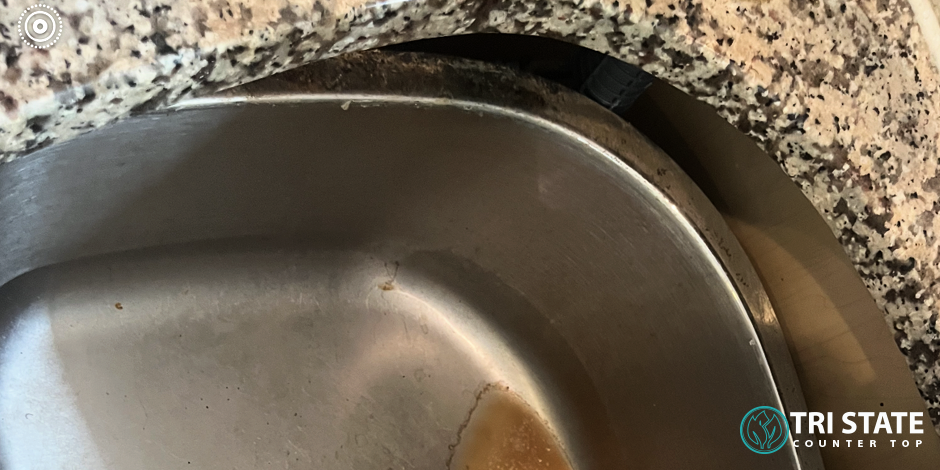
Sink rails and cooktop corners are common areas for granite cracking.
These sections may require specialized stabilization or reinforcement techniques.
Do You Repair Previously Repaired Granite?
Old epoxy, glue, silicone, caulk, and other materials can complicate restoration.
Ask whether the company can evaluate failed or discolored previous repairs.
What Results Should I Realistically Expect?
A professional company should discuss both structural repair goals and cosmetic expectations.
Complete invisibility cannot be guaranteed for every crack.
How Should I Prepare for the Service Appointment?
The company may recommend clearing countertop surfaces, removing items from nearby cabinets, providing access to the work area, or arranging for appliance or plumbing adjustments when necessary.
Warning Signs of a Poor-Quality Granite Crack Repair Service
Not every contractor offering countertop repair provides the same level of stone restoration experience.
Homeowners should recognize warning signs before allowing work to begin.
Providing a Guaranteed Price Without Understanding the Damage
Simple repairs may sometimes be discussed using photographs, but complicated structural damage requires evaluation.
A fixed price offered without asking about crack location, movement, countertop material, accessibility, or previous repairs may not reflect the actual work required.
Promising Every Repair Will Be Completely Invisible
Granite is a natural material. Damage conditions vary significantly.
Professional restoration can improve appearance, but no responsible contractor should guarantee complete invisibility for every crack.
Using Household Adhesives as the Primary Repair Method
General-purpose glue, silicone, caulk, and inappropriate adhesives can create discoloration, weak bonding, and future restoration problems.
Ignoring Uneven Countertop Sections
If one side of a crack is higher than the other, simply filling the opening may leave the underlying movement unresolved.
Grinding Aggressively Without Protecting the Surface
Improper grinding or sanding can permanently damage polished granite.
Low spots, scratches, dull areas, and uneven reflections may remain after poor-quality work.
Failing to Discuss Maintenance After Repair
Homeowners should understand how to use, clean, and protect the countertop after restoration.
What Types of Granite Damage Can Professional Repair Services Address?
Professional countertop repair companies may address a variety of granite problems depending on the condition of the stone.
Hairline Cracks
Small cracks may be repaired when the countertop remains stable and the damage can be properly prepared.
Structural Cracks
Cracks involving movement or full-thickness fractures may require stabilization or reinforcement before cosmetic restoration.
Sink Rail Cracks
Narrow granite sections around sink openings can crack because of structural stress, impact, inadequate support, or sink movement.
Cooktop Corner Cracks
Inside corners around appliance openings can concentrate stress and may develop fractures extending into the countertop.
Broken Granite Edges
Impact damage can break or chip countertop edges.
Professional restoration may involve rebuilding missing material, reshaping the edge, and refining the finish.
Separated Countertop Seams
Failed seams may require removal of deteriorated adhesive, cleaning, alignment, rebonding, leveling, and cosmetic improvement.
Failed Previous Repairs
Old repairs may reopen, discolor, separate, or become uneven.
A professional technician can evaluate whether existing materials can be removed and the area restored again.
Why Granite Countertops Crack in Philadelphia Homes
Granite cracks for many reasons, and local homeowners may encounter damage in both older and newer properties.
Cabinet Settlement and Movement
Changes in cabinet alignment can place stress on rigid natural stone countertops.
Even small movements may contribute to cracking around vulnerable sections.
Inadequate Countertop Support
Large overhangs, narrow sink rails, cooktop openings, and unsupported countertop sections may experience excessive stress.
Heavy Impacts
Cast-iron cookware, tools, appliances, and other heavy objects can crack or chip granite.
Sink and Appliance Installation
Improperly supported sinks, appliance adjustments, plumbing work, and installation pressure can contribute to countertop damage.
Previous Installation Problems
Uneven cabinets, inadequate reinforcement, poor seam placement, and other installation conditions may eventually contribute to cracks.
How a Professional Granite Countertop Repair Service Evaluates Damage
Professional evaluation helps determine whether the countertop is suitable for repair and what restoration methods may be appropriate.
Reviewing the Entire Countertop
The visible crack is only one part of the evaluation.
The technician may consider nearby seams, edges, openings, backsplash areas, cabinets, fixtures, and other conditions.
Checking for Movement
Movement between damaged sections can indicate structural stress.
Stabilization may be necessary before bonding and finishing work begins.
Evaluating Crack Depth and Direction
A shallow surface crack requires a different approach from a fracture extending through the entire granite slab.
Inspecting Previous Repair Materials
Old adhesives, silicone, epoxy, and fillers may need to be removed before new restoration materials can be applied.
Considering the Granite Pattern and Finish
Color, mineral movement, surface texture, and sheen can affect cosmetic repair planning.
What Happens During Professional Granite Countertop Crack Repair?
The exact process varies according to the countertop, but professional repair generally follows several important stages.
Preparing the Work Area
Nearby surfaces and fixtures may need protection before restoration begins.
Cleaning the Damaged Granite
Contaminants, loose particles, grease, moisture, and inappropriate repair products are removed when possible.
Stabilizing the Countertop
Moving or uneven sections may require adjustment, support, or reinforcement.
Bonding and Filling the Damage
Professional stone restoration materials are selected and applied according to the repair requirements.
Coordinating Repair Colors
Pigments may be used to help the repair coordinate with surrounding granite colors and patterns.
Leveling the Surface
Excess repair materials are carefully removed after curing.
The technician works to create a smoother transition between the repaired area and surrounding stone.
Refining the Finish
The repaired section may require additional surface work to improve consistency with the existing countertop finish.
Completing a Final Review
The repaired area is inspected and appropriate maintenance recommendations may be discussed with the property owner.
How Much Should Quality Matter When Choosing a Granite Repair Company?
Repair quality should be an important consideration when selecting a countertop service provider.
The lowest price does not always provide the best value.
An inexpensive repair may become costly if the crack reopens, inappropriate materials discolor the granite, the countertop surface is damaged, or future restoration becomes more complicated.
Homeowners should consider experience, evaluation methods, repair planning, material selection, finishing ability, communication, and realistic expectations.
The goal should be to find a company capable of providing an appropriate repair based on the actual countertop condition.
Should You Repair or Replace a Cracked Granite Countertop?
Many homeowners assume replacement is necessary as soon as a granite crack appears.
Localized damage can often be professionally repaired when the surrounding countertop remains structurally suitable for continued use.
Repair can help preserve existing stone, reduce demolition, avoid unnecessary plumbing and appliance work, and minimize disruption within the home.
Replacement may be more appropriate when the countertop has widespread fractures, extensive structural problems, severe cabinet movement, large missing sections, or when a complete kitchen renovation is already planned.
A professional evaluation can help homeowners make a more informed decision.
How Homeowners Can Prepare for Granite Countertop Repair
Clear the Countertop
Remove small appliances, cookware, decorations, and personal items from the work area.
Provide Access to Nearby Cabinets
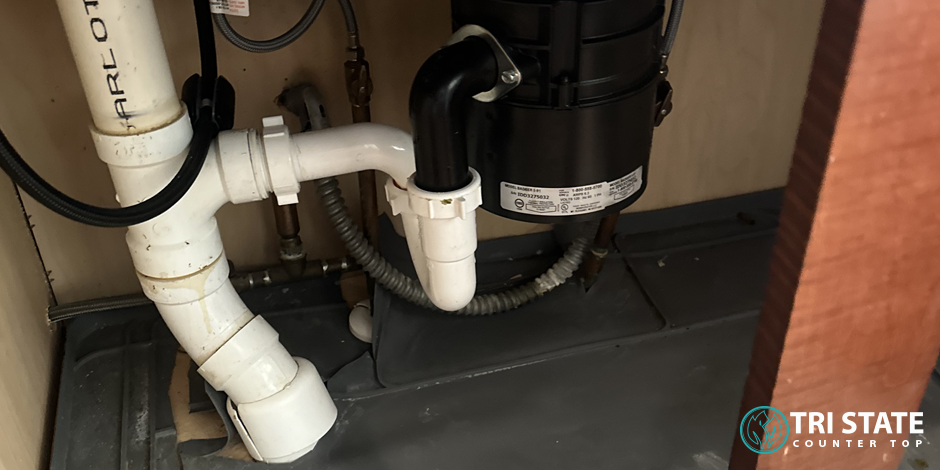
The technician may need access underneath the countertop to evaluate support conditions or complete certain repairs.
Explain Previous Repair Attempts
Tell the company about any glue, epoxy, silicone, caulk, or other products previously applied to the damage.
Discuss Changes in the Crack
Mention whether the crack has grown, become uneven, reopened, or developed movement.
Keep Broken Granite Pieces
If pieces have separated from the countertop, save them and provide them to the repair technician.
How to Protect Your Granite Countertop After Professional Repair
Proper countertop use can help protect restored areas and reduce unnecessary stress.
Avoid Standing or Sitting on Countertops
Body weight can place significant stress on sink rails, overhangs, cooktop openings, and other vulnerable areas.
Handle Heavy Objects Carefully
Avoid dropping cookware, tools, appliances, and other heavy objects onto countertop surfaces and edges.
Use Trivets for Hot Cookware
Heat-resistant pads help protect countertop surfaces, sealers, and repaired areas.
Use Natural Stone Cleaning Products
Avoid harsh chemicals, abrasive powders, and highly acidic cleaners that may damage granite surfaces.
Watch for Structural Changes
New gaps, shifting seams, uneven countertops, moving cabinets, and recurring cracks should be professionally evaluated.
Why Choose Tri-State Countertop Repair?
Tri-State Countertop Repair provides professional countertop repair services for residential and commercial properties throughout Philadelphia and surrounding communities.
Our approach focuses on understanding the condition of the countertop, evaluating the damage, and determining an appropriate restoration method.
We work with homeowners, landlords, property managers, real estate professionals, contractors, businesses, and other property owners who need professional solutions for damaged countertops.
Customers can contact our company to discuss granite cracks, broken edges, failed seams, damaged sink rails, quartz damage, marble restoration, and other countertop repair needs.
If you are searching for the Best Granite Countertop Crack Repair Service in Philadelphia, PA, contact Tri-State Countertop Repair at (215) 498-9390 to discuss the condition of your countertop and available service options.
Granite Countertop Repair Service Areas
Tri-State Countertop Repair provides professional countertop repair and restoration services throughout Philadelphia and surrounding Pennsylvania and New Jersey communities.
Philadelphia, PA
Bucks County, PA
Montgomery County, PA
Chester County, PA
Delaware County, PA
Mercer County, NJ
Contact our company to discuss service availability for your specific property location.
Other Professional Countertop Services We Provide
Marble Countertop Polishing
Professional marble polishing can improve dull, worn, etched, and uneven marble surfaces and help restore a more consistent finish.
Marble Countertop Repair
Our marble countertop repair services address cracks, chips, damaged edges, seams, and other localized stone damage.
Granite Countertop Repair
We provide professional repair services for granite cracks, chips, broken countertop sections, damaged edges, and separated seams.
Quartz Countertop Repair
Professional quartz repair services may address cracks, chips, damaged edges, seam problems, and other localized countertop damage.
Quartz Countertop Stain Removal
We evaluate quartz stains and discoloration to determine whether professional cleaning, treatment, or surface restoration may improve the affected area.
Countertop Repair
We provide professional countertop repair services for a variety of natural stone and engineered countertop surfaces.
Frequently Asked Questions About Choosing a Granite Countertop Repair Service
How Do I Find the Best Granite Countertop Repair Company Near Philadelphia?
Look for a company with experience repairing natural stone countertops, a professional evaluation process, knowledge of structural countertop problems, appropriate repair materials, realistic communication, and surface finishing experience.
Should I Choose the Cheapest Granite Repair Quote?
Price is important, but it should not be the only consideration. Repair quality, experience, preparation, materials, structural evaluation, and finishing can affect the durability and appearance of the completed repair.
Can a Professional Repair Company Fix a Crack That Someone Else Already Repaired?
In some situations, yes. The technician must evaluate the previous repair materials and the condition of the underlying granite before recommending restoration.
Can Granite Cracks Be Repaired Without Replacing the Countertop?
Many localized cracks can be professionally repaired when the surrounding countertop remains structurally suitable for restoration.
Will the Repaired Granite Look Exactly Like New?
The final appearance depends on granite pattern, color, crack condition, location, missing material, surface finish, and previous repairs. Professional restoration aims to improve the appearance while stabilizing and restoring the damaged countertop.
Do You Provide Granite Countertop Repair Outside Philadelphia?
Yes. Tri-State Countertop Repair serves Philadelphia, Bucks County, Montgomery County, Chester County, Delaware County, and Mercer County, New Jersey.
How Can I Request Granite Countertop Repair Service?
Call Tri-State Countertop Repair at (215) 498-9390 to discuss the countertop material, damage location, property location, previous repair attempts, and service requirements.
Contact Tri-State Countertop Repair for Professional Granite Crack Repair
Choosing a granite countertop repair company is an important decision. The quality of the evaluation, repair planning, materials, preparation, stabilization, color coordination, surface leveling, and finishing can all influence the final result.
Homeowners should look for a professional service provider that understands natural stone countertops and evaluates the actual condition of the damage before recommending a restoration approach.
If you are looking for the Best Granite Countertop Crack Repair Service in Philadelphia, PA, contact Tri-State Countertop Repair to discuss your damaged countertop and professional repair options.
Company Name: Tri-State Countertop Repair
Contact: (215) 498-9390
Website: https://www.tristatecountertoprepair.com/
Office Address: 710 Gregory Drive, Horsham, PA 19044
Call (215) 498-9390 to discuss granite countertop crack repair, request service information, and schedule professional countertop repair service in Philadelphia, Bucks County, Montgomery County, Chester County, Delaware County, or Mercer County, New Jersey.